
Plantar Fasciitis: What is it?
Plantar fasciitis is one of the most common causes of heel and foot pain, especially in active people, runners, and those who spend long hours on their feet. It can be frustrating, slow to heal, and often flares up just as you think it’s improving. The good news? With the right approach, most people can significantly reduce pain and make a full recovery.
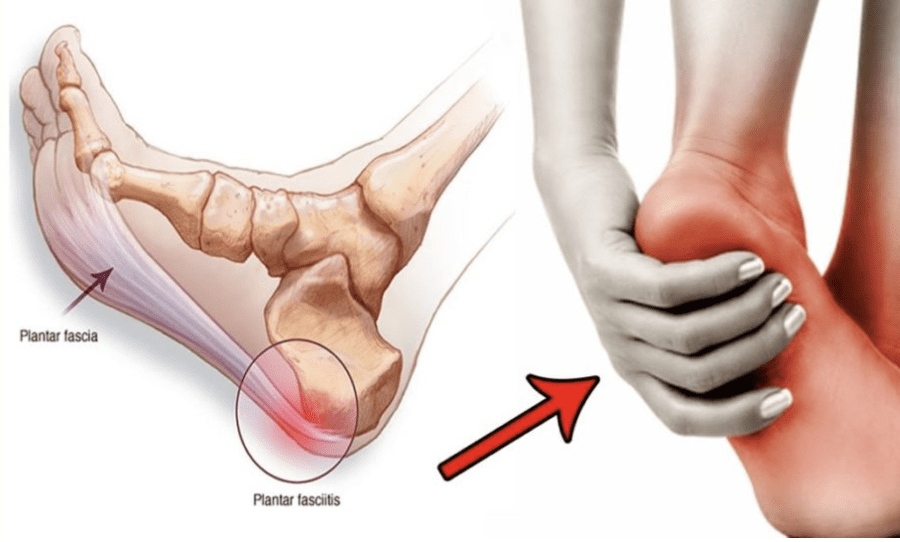

What Is Plantar Fasciitis?
Plantar fasciitis occurs when the plantar fascia — a thick band of tissue running along the bottom of your foot from your heel to your toes — becomes irritated or overloaded. Its role is to support the arch of your foot and absorb impact when you walk or run.
When this tissue is placed under repeated stress without enough recovery, small tears can develop, leading to pain and stiffness.
Common Symptoms
Sharp or stabbing pain in the heel or arch
Pain that’s worse first thing in the morning or after rest
Discomfort that eases as you move, then worsens again later in the day
Tenderness along the bottom of the foot
Why Does It Happen?
Plantar fasciitis is rarely caused by just one thing. Common contributing factors include:
Sudden increases in training or activity levels
Tight calves or Achilles tendons
Poor foot mechanics or lack of arch support
Long periods of standing or walking
Worn-out or unsupportive footwear
Key Tips to Reduce Pain and Support Recovery
1. Manage Load (Not Total Rest)
Complete rest often isn’t the answer. Instead, reduce activities that aggravate symptoms and modify training where possible. Low-impact alternatives like cycling or swimming can help maintain fitness while your foot recovers.
2. Improve Calf and Foot Flexibility
Tight calves place extra tension on the plantar fascia. Gentle, consistent stretching of the calves, Achilles, and foot muscles can significantly reduce strain and pain.
3. Strengthen the Foot and Lower Leg
Strengthening the intrinsic foot muscles, calves, and ankles helps improve support through the arch and reduces overload. Simple exercises like towel scrunches, heel raises, and balance work can be very effective.
4. Wear Supportive Footwear
Shoes with good arch support and cushioning can reduce stress on the plantar fascia. Avoid worn-out trainers and prolonged time barefoot, especially on hard surfaces.
5. Use Massage and Soft Tissue Work
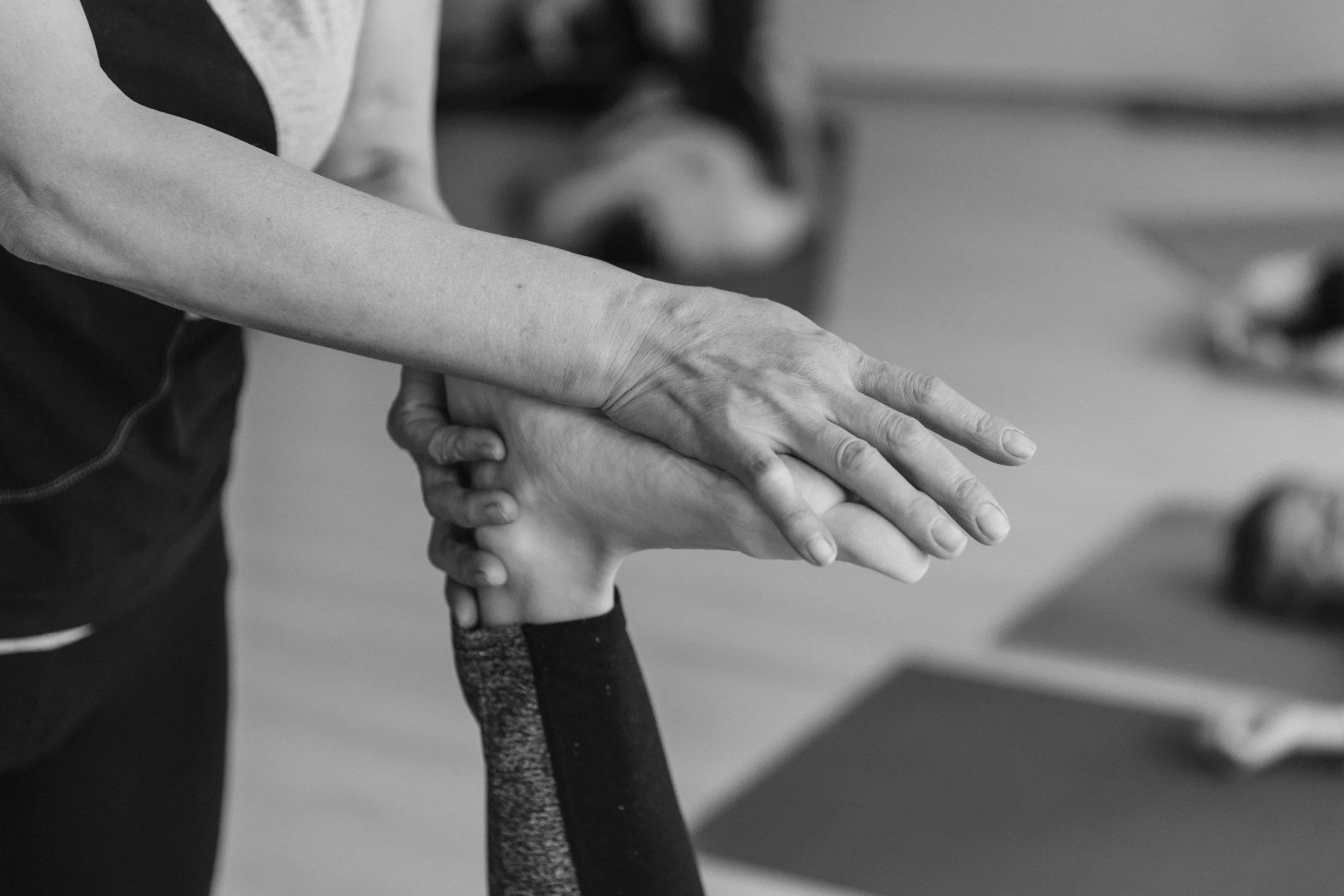
Sports massage can help by reducing tension in the calves, Achilles, and plantar fascia itself. Improving tissue quality and circulation supports healing and can provide noticeable pain relief.
6. Be Patient and Consistent
Plantar fasciitis often improves gradually rather than overnight. Consistency with loading, strengthening, and recovery strategies is key. Most cases resolve fully when addressed early and managed properly.
When to Seek Professional Support
If pain persists despite self-management, working with a qualified professional can help identify contributing factors and guide recovery. A tailored approach — combining exercise, hands-on treatment, and load management — often produces the best results.
Final Thoughts
Plantar fasciitis can be stubborn, but it’s rarely permanent. With the right balance of movement, strength, support, and recovery, most people return to pain-free walking, training, and daily life.
If you’re struggling with ongoing foot or heel pain, addressing it early can make all the difference.